
After a seven-year closure, Matsumoto Castle will reopen its Taikomon Gate to the public from November 1st through 10th. The special access coincides with National Treasure Matsumoto Castle Week, commemorating 70 years since the castle's major Showa-era restoration. Inside the gate's tower, an exhibition will showcase photographs and panels documenting that historic preservation work. Admission is free, with viewing hours from 9:00 AM to 4:00 PM.
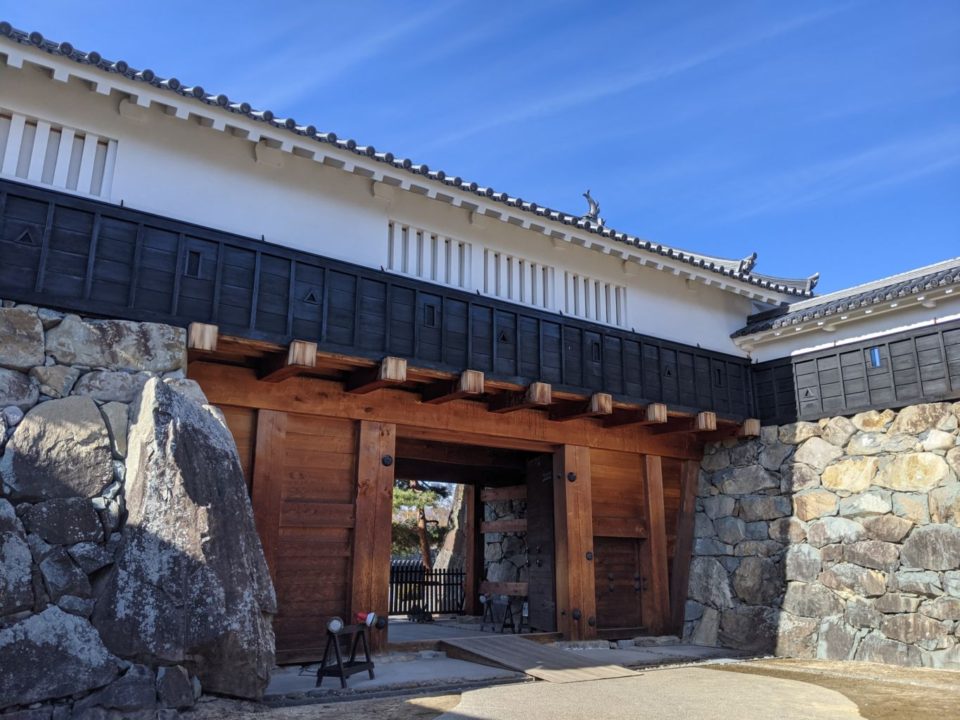
A Fortress Within a Fortress
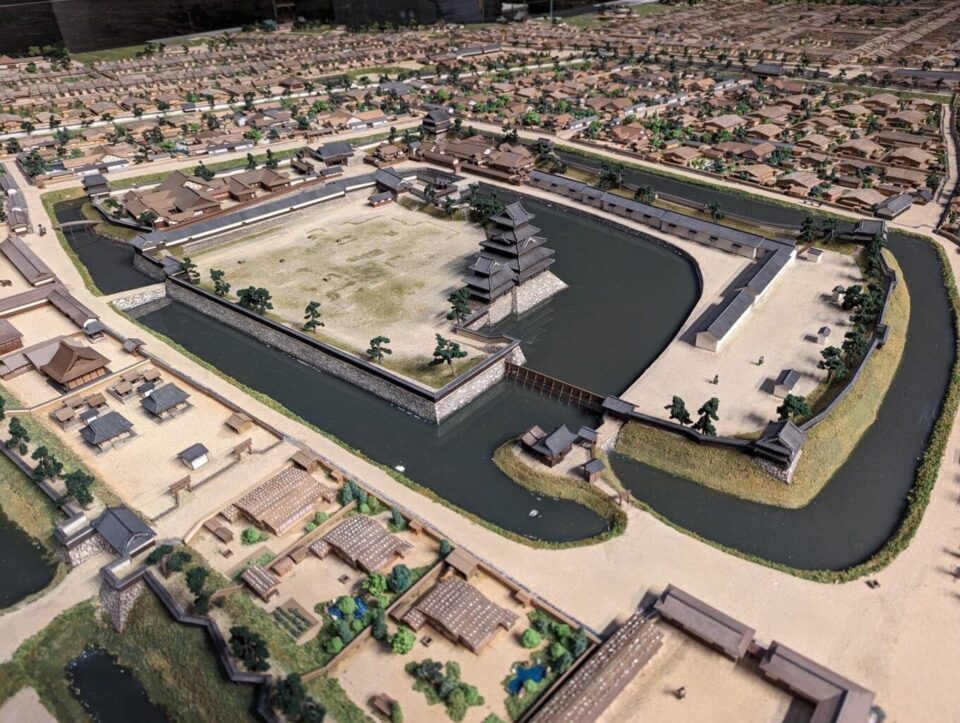
The Taikomon, or drum gate, takes its name from the taiko drum once housed in its upper tower. In feudal times, the drum announced the hours and signaled alerts during attacks. This type of gate served as more than a simple entrance. It formed part of a masugata, a defensive box structure where stone walls and earthen ramparts enclosed a courtyard with two gates positioned in sequence. Enemies entering the outer gate found themselves trapped in an exposed square, vulnerable to arrows, matchlock fire, and stones from above before reaching the inner gate. At Matsumoto Castle, the Taikomon consists of the main gate tower and a smaller supporting gate, both designed to force invaders into a fatal bottleneck.

Built around 1595 during the Ishikawa clan's rule, the original gate stood for nearly three centuries before demolition in the Meiji period. The current structure, completed in 1999 after careful archaeological study, used 400-year-old cypress for its pillars and 140-year-old pine for its beams. The reconstruction followed illustrated maps from the early Edo period, restoring not just a gate but a piece of military architecture that once separated the castle's outer grounds from its administrative heart.
Fortifying a National Treasure
The gate has remained closed since 2018, when structural assessments revealed insufficient earthquake resistance. Engineers have spent the intervening years reinforcing the foundation and framework, work that will conclude in February 2026. The limited November opening offers a rare look inside before the gate returns to its typical schedule of seasonal access during peak travel periods. Visitors who climb those gate stairs will see not just exhibition panels but the joinery and craftsmanship that has withstood centuries.

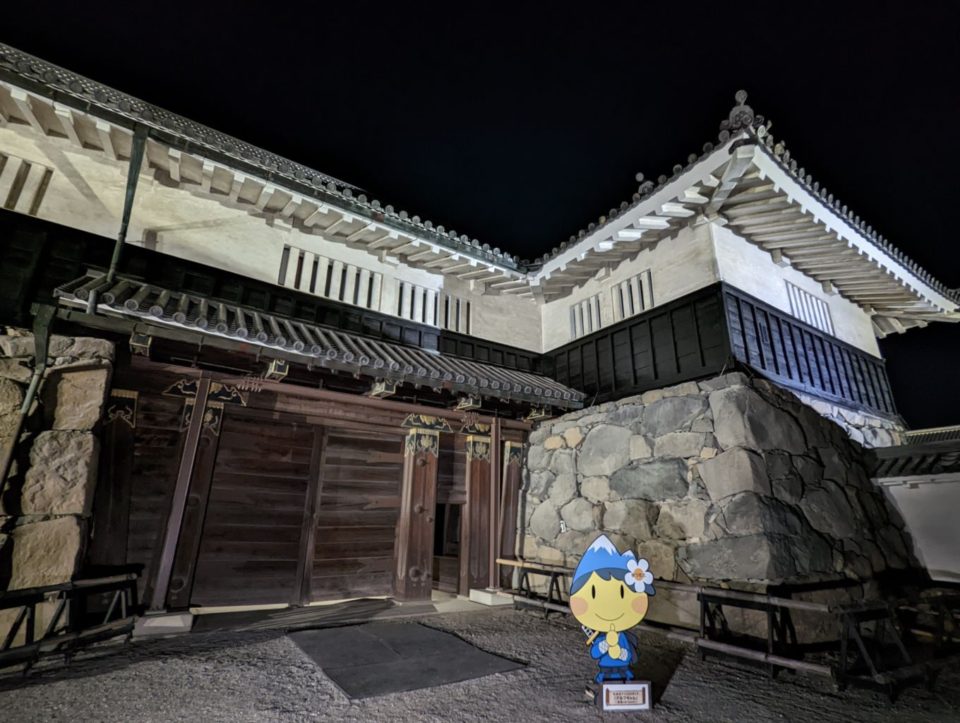
Beyond the Taikomon, restoration continues across the castle grounds. The project reflects ongoing efforts to preserve one of Japan's five original castle towers designated as National Treasures. The site also includes the Kuromon, or Black Gate, the formal entrance to the inner bailey once reserved for the castle lord and distinguished visitors. That gate was rebuilt in 1960 using design elements borrowed from Nagoya Castle, as no original blueprints survived.
Beyond the Castle Walls
Matsumoto's relationship with its castle runs deeper than preservation. The city grew around this fortress, and its streets still follow paths laid out centuries ago when samurai, merchants, and craftsmen lived in distinct quarters. A guided tour with us through the castle town traces these connections, moving from the black walls of the keep through neighborhoods where old merchant houses stand beside contemporary shops.
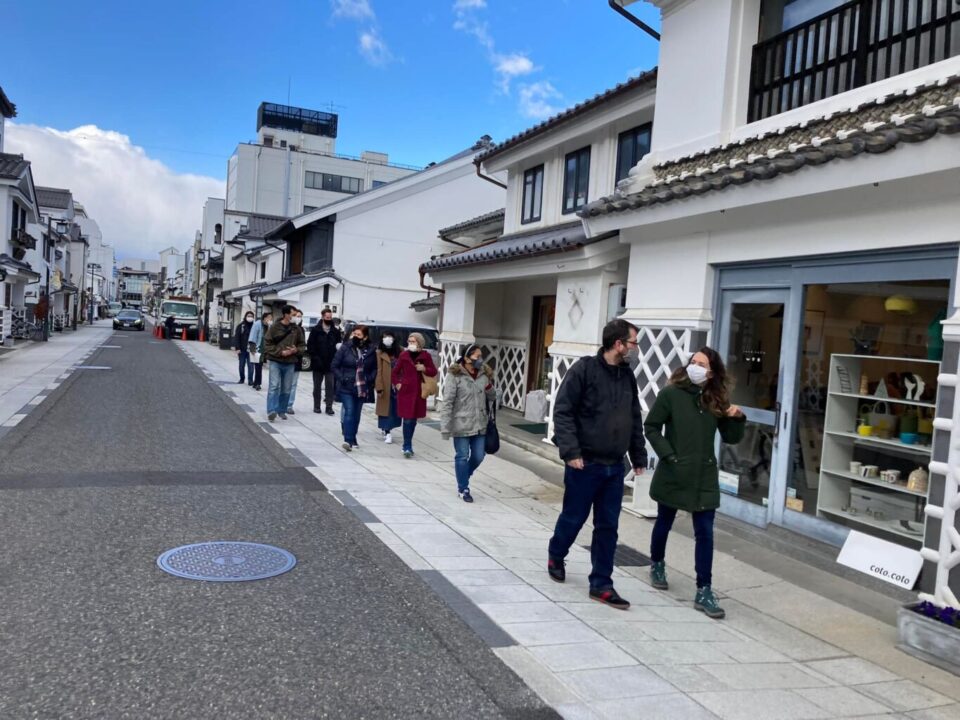
Our tour includes not just historical context, learning about castle defense strategies and the daily lives of its samurai lords. You can try your hand at katana sword techniques under the guidance of instructors trained in traditional combat forms complete with period-appropriate training uniforms. It is less about performance than understanding the discipline behind the blade, the movements that once meant survival.


 Page Top