
A look inside Matsumoto's history and culinary traditions!
This one-day tour in Matsumoto covers three parts: a visit to Matsumoto Castle, one of twelve castles in Japan with its original wooden keep still standing; a local lunch built around soba noodles or miso, chosen on the day depending on season and availability; and a tasting of sake from Nagano Prefecture, home to roughly 80 breweries, the second-highest number of any prefecture in Japan. The experience offers a glimpse into how Matsumoto's past still informs the city today.
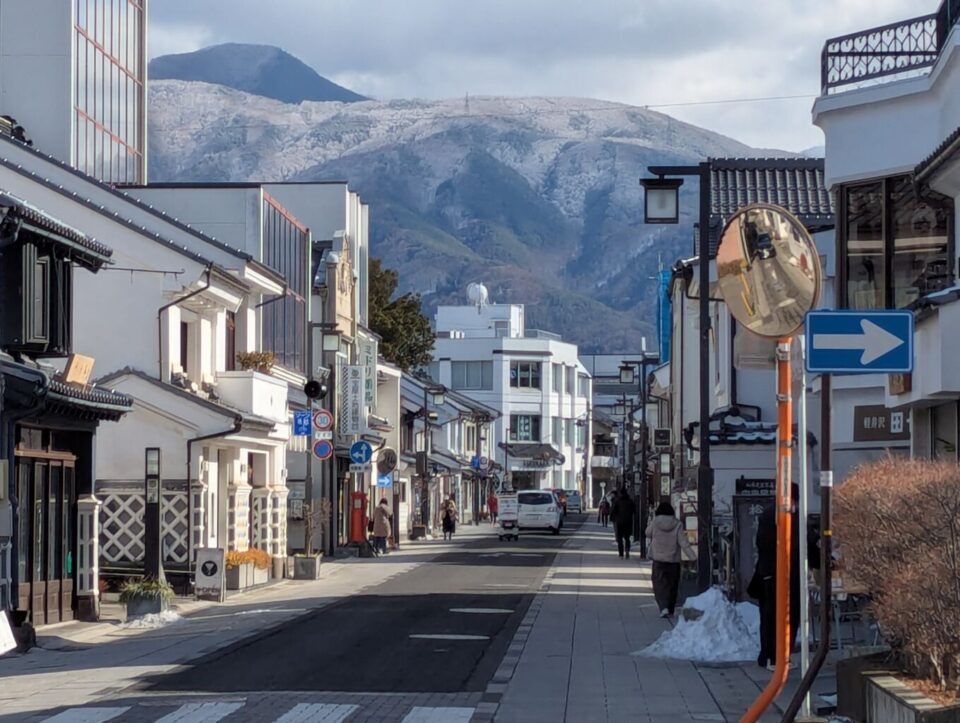
Discover all the secrets of Matsumoto Castle
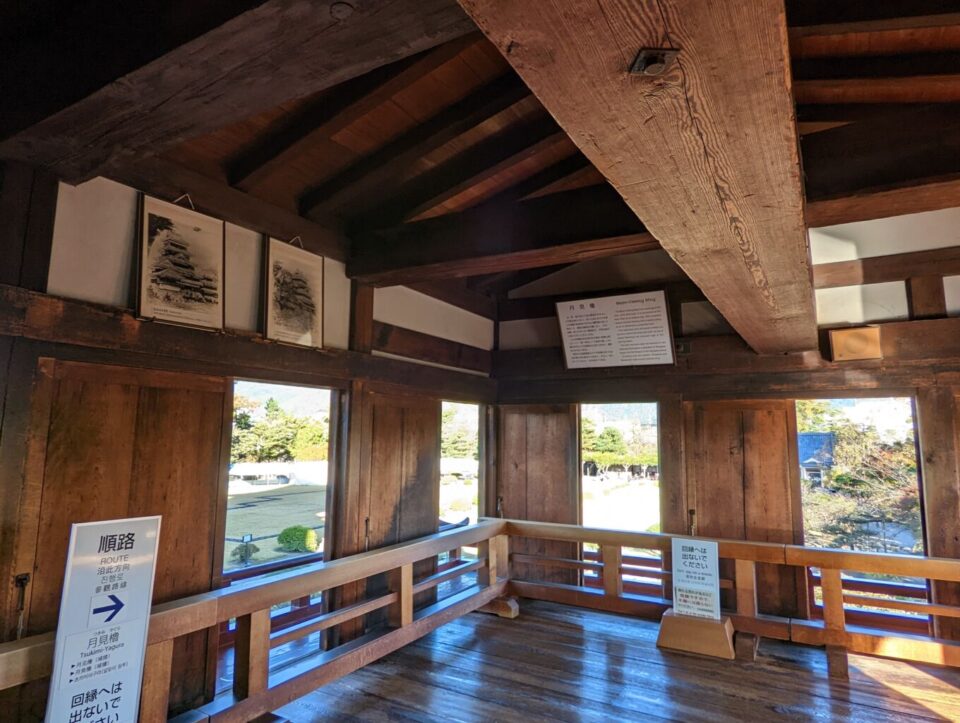
The tour begins at Matsumoto Castle, known as "Crow Castle" for its black lacquered exterior. Built in the 1590s during Japan's Warring States period, the fortress was designed for defense: steep stairs, narrow passages, stone-dropping openings, and gun ports mark the main keep as a structure meant for survival. The castle's purpose shifted after the wars ended. Around 1633, feudal lord Naomasa Matsudaira added the tsukimi yagura, a moon-viewing room, to welcome the shogun, transforming part of this military fortress into a space for contemplation and ceremony.

The tsukimi yagura opens on three sides to frame the night sky and the moat below. Lords and retainers once gathered here during autumn moon-viewing festivals to compose poetry and drink sake, watching the harvest moon rise over the water. A saying captures the scene: from this room, you can see the moon three times: once in the sky, once reflected in the moat, and once in your cup of sake. The tradition speaks to sake's role in Japanese culture long before the modern era, connecting seasonal rituals, aristocratic leisure, and this popular national beverage.
Traditional Nagano Lunch
The tour's second part adds a food experience and a lunch built around two dishes tied to Nagano Prefecture: soba, made from buckwheat grown in the region's mountain climate, or miso, of which Nagano produces more than any other prefecture in Japan. Hand-cut Shinshu soba was designated an intangible folk cultural property in 1983. Shinshu miso is used throughout daily cooking in the region, as a condiment, in side dishes, and in soups, appearing in meals across the day rather than as a single-dish ingredient.

Which experience runs on a given day depends on availability and season and cannot be choosen
Which experience runs on a given day depends on availability and season, and is confirmed close to the date rather than chosen in advance. The two options are a soba-making class followed by lunch, where guests prepare their own noodles by hand, or a miso brewery tour followed by lunch, which includes a walk through a working miso brewery. Both include vegetarian and vegan alternatives.

Vegetarian and vegan options available upon request
Sake Guided Tasting
Sake is often translated as "rice wine," though the process has little in common with winemaking. Rice is polished to remove its outer layers, then fermented with koji mold and water rather than pressed like grapes. Japanese sake law then sorts the result into grades based on how much of the rice grain is polished away and whether alcohol is added during fermentation, with more heavily polished rice generally producing lighter, more aromatic sake. Matsumoto's spring water is recognized for its clarity and mineral content, qualities essential to sake brewing where water affects fermentation, texture, and flavor.
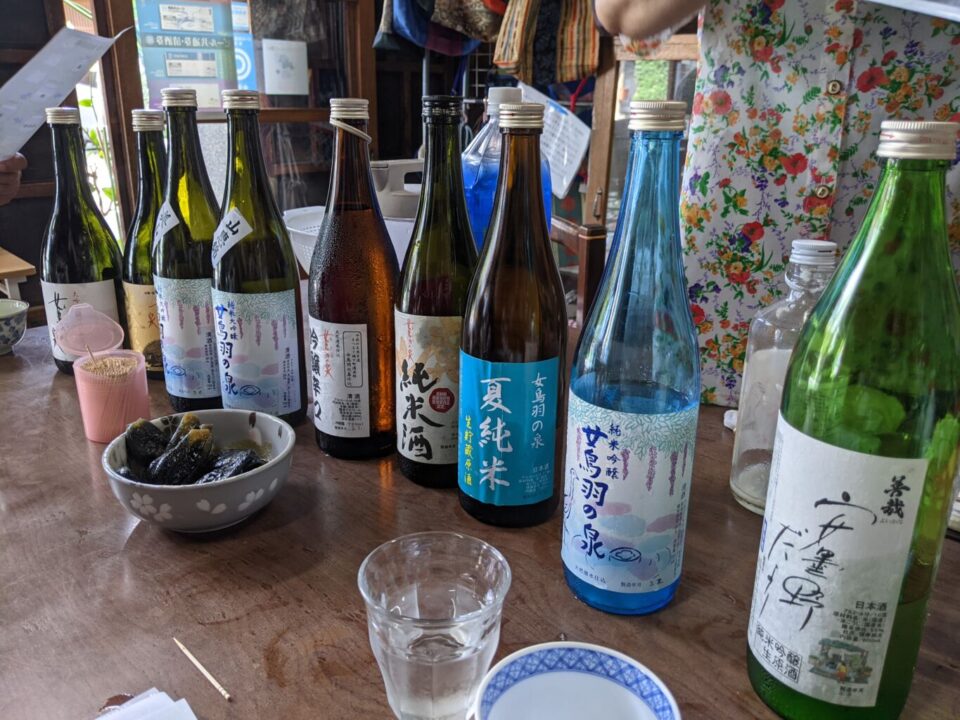
The tasting includes several sake varieties, usually differing by rice type, polishing ratio, and fermentation method, giving a direct comparison of how those choices change aroma and flavor. A guide explains what sets each style apart during the tasting itself. Sake has a role beyond the table: shrines offer it daily to the enshrined kami as omiki, sake for the gods, then share it among worshippers in a ceremony called naorai. At weddings, New Year celebrations, and other milestones, guests take part in kagami-biraki, breaking open a sake cask's wooden lid with mallets before sharing what's inside.

Additional Information
Meeting Location: Tour begins at Matsumoto Castle. Your guide will meet you at 9:00am
Group Type: Group Tour (Private Tour Option available)
Allergies: Please let us know if you have any food allergies or other restrictions.
Important information:
- This is a walking tour and includes a moderate walk.
- Please note that the stairs to reach the top of Matsumoto Castle’s tower are steep and narrow.
- Which food experience runs on a given day depends on availability and season and cannot be choosen.
- Vegetarian and vegan options available upon request.
- Our tour can accommodate most food allergies and dietary restrictions.
- You will not be able to observe or participate in the actual brewing process of sake.
- Please note, the legal drinking age in Japan is 20 years and over. Persons under that age are not allowed to consume alcohol on this tour.
- Non-alcoholic options like amazake (sweet rice juice) are available.
The tour itinerary includes the following visits:
- Matsumoto Castle Tour (90 minutes)
- Tradtional Nagano Lunch Experience (120 minutes)
- Downtown Discovery Walking Tour (60 minutes)
- Guided Sake Tasting (90 minutes)
Please note that the above times are estimates and that the tour may end
earlier or later depending on how busy Matsumoto Castle is, especially during
holiday periods and on weekends.
Cancellation Policy: To receive a full refund, cancel up to 24 hours before the experience start date in the local time zone. No refunds will be given after that time period.
Terms & Conditions: Please read our Terms & Conditions


 ¥9,800
 3 hours


 Page Top