
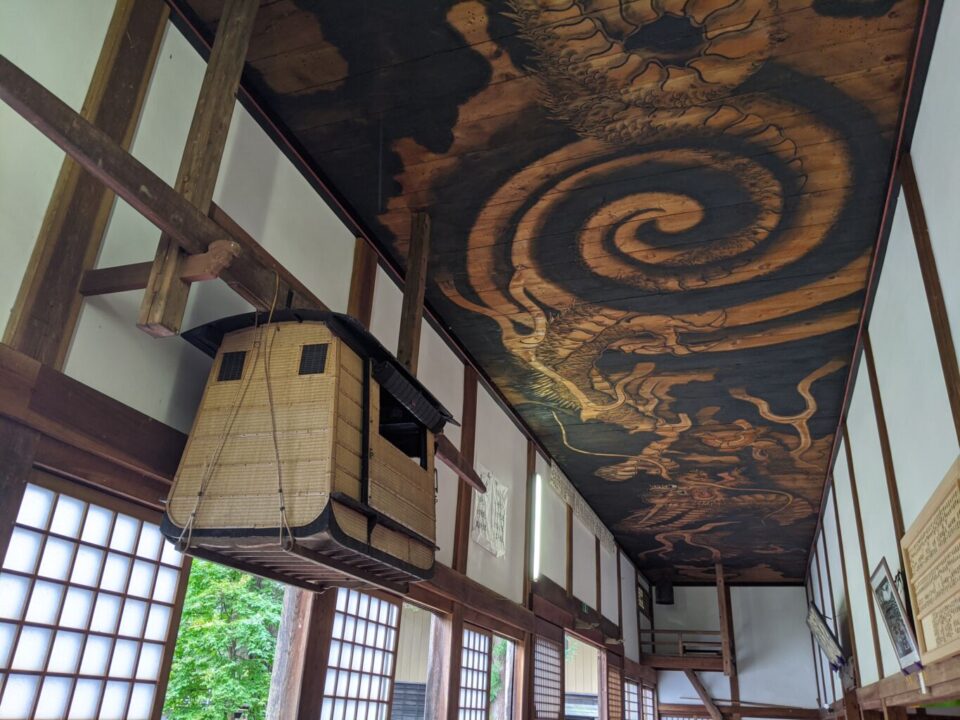
On this guided walk, you’ll see how merchant culture, mountain geography, and modern preservation shaped Narai-juku Post Town. From Chōsenji Temple’s dramatic dragon ceiling painting, spanning roughly 20 meters, to the craft traditions that supported Narai’s economy, you’ll uncover the link between historic travel routes and a community that still lives along them.
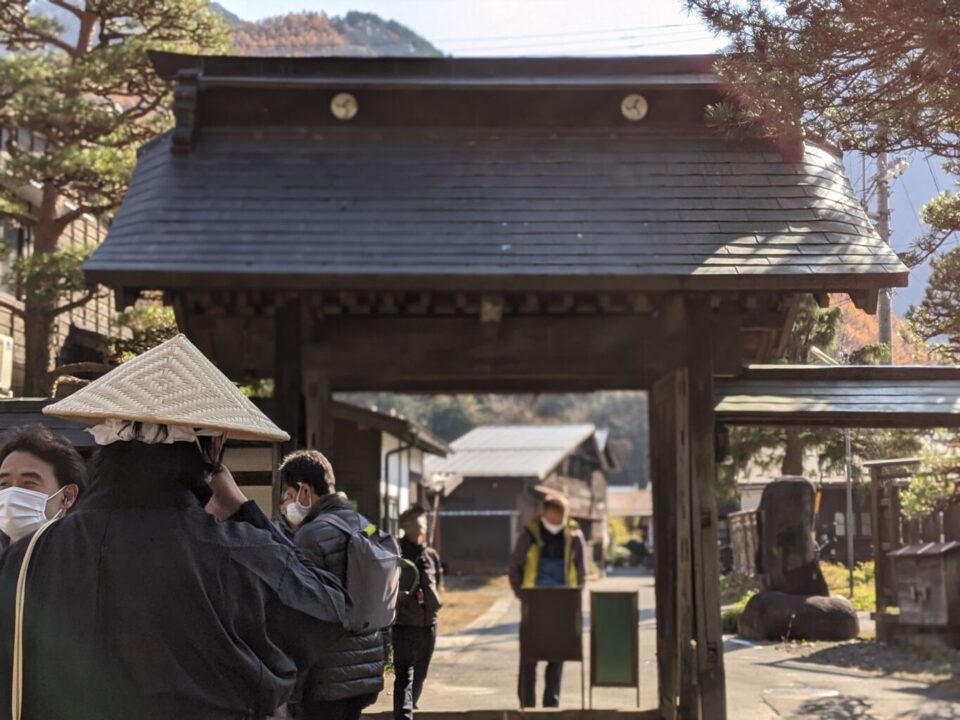
Explore the Historic Post Town
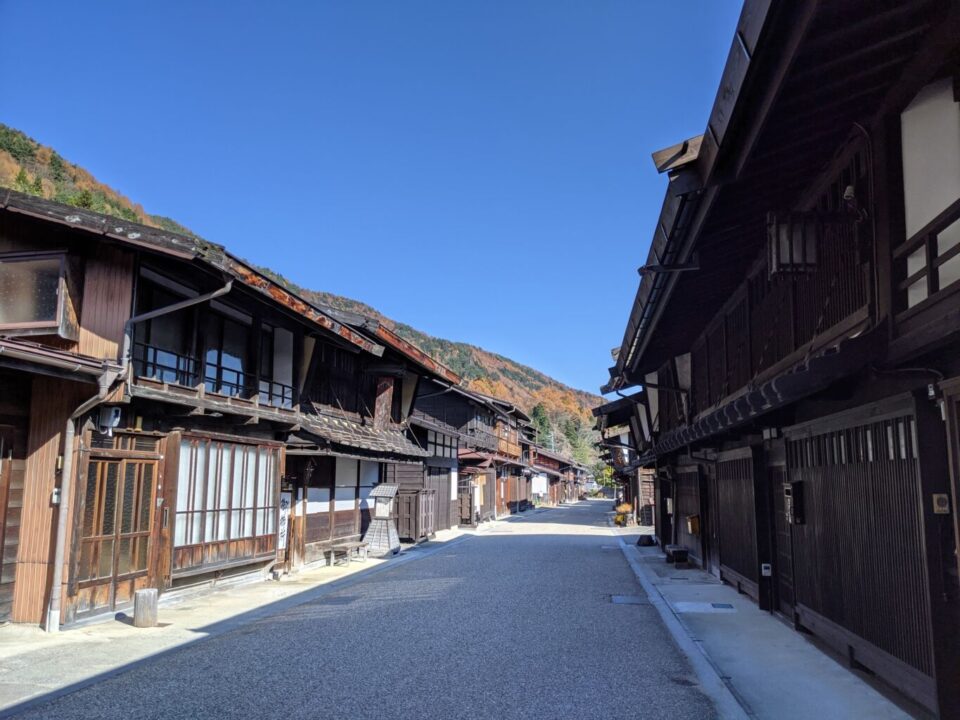
Narai-juku Post Town is known as the highest of the eleven post towns along the Kisoji stretch of the Nakasendo. But the highlight of a trip to Narai-juku is the vibe of the post town itself. The buildings lining both sides of the road for a full kilometer and look much as they did centuries ago. In 1978, Narai Post Town was designated as an Important Preservation District for Groups of Historic Buildings. This beautifully-preserved slice of Edo Era Japan, where people still live and work, is definitely worth the trip and a must-do destination when visiting Mastumoto.
Chosenji Temple
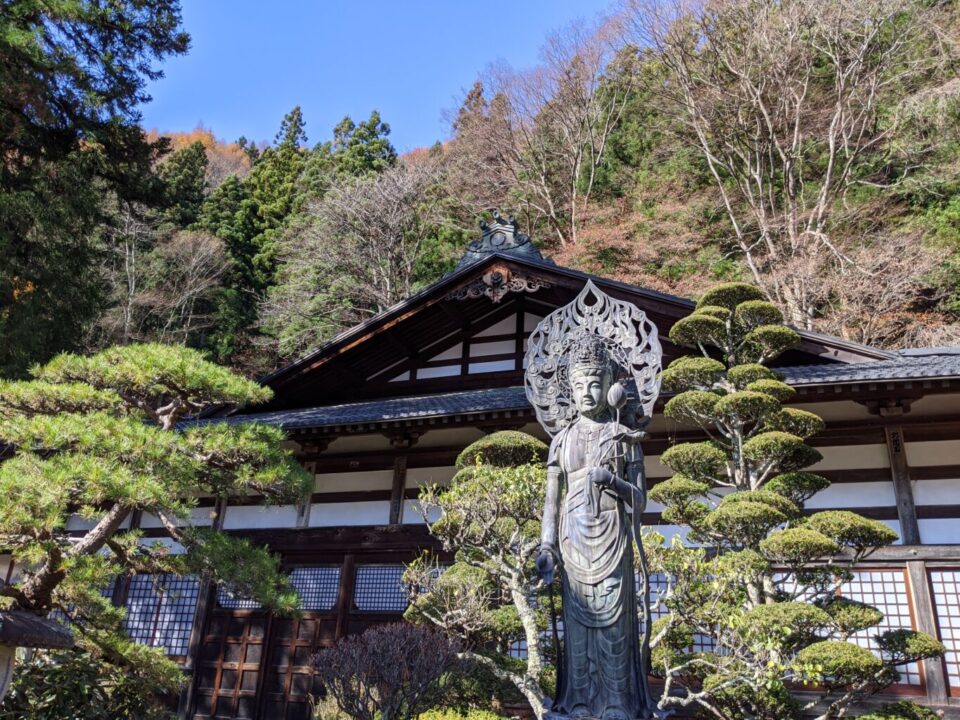
Enter Chosenji Temple, founded in 1366 and rebuilt in 1866 after repeated fires. The main hall houses an extraordinary dragon ceiling painting measuring 20 meters long and 3.5 meters wide, created by Hida craftsman Yamaguchi Gonnokami during the Meiji era. The dragon's eyes follow you across the room, painted with techniques meant to protect Buddhist teachings and those who practice them.
Beyond the artwork, Chosenji played a practical role in Edo-period travel: it served as lodging for the Tea Urn Procession, the annual journey that transported prized Uji tea from Kyoto to the shogun in Edo. The temple still preserves original tea urns from these processions, evidence of the authority these ceremonial journeys carried.
Nakamura-tei
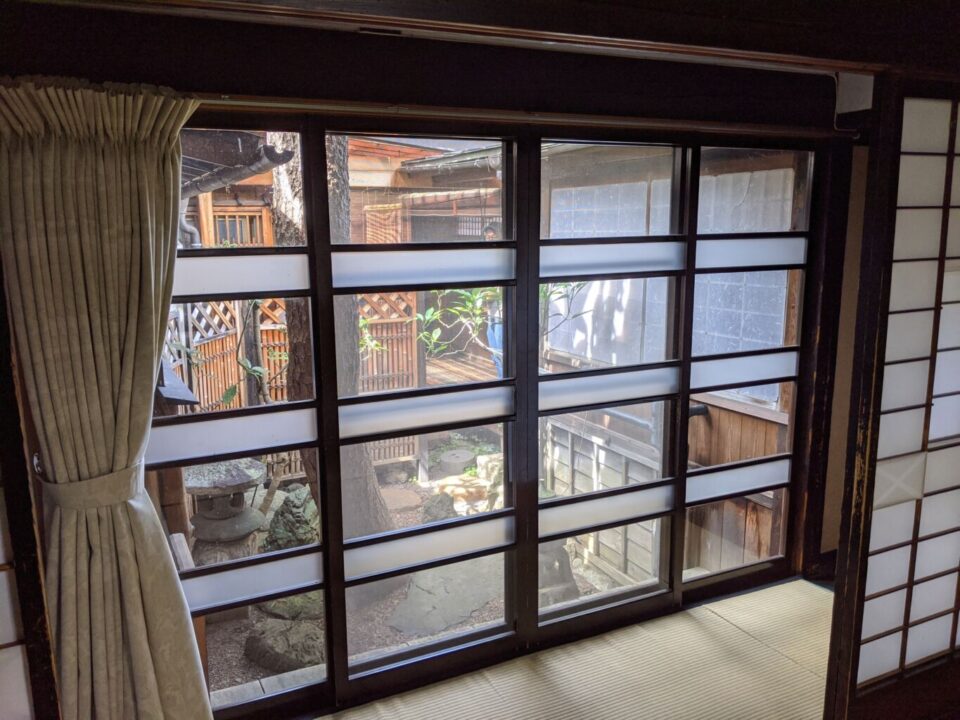
At Nakamura-tei, step inside a preserved merchant house from the mid-1800s. The Nakamura family built their wealth through a lacquered comb wholesaling business, and the house, a classic Narai machiya townhouse, reveals how business and domestic life intertwined. Your guide shows you the hearth where the family gathered, storage areas for goods and tools, and the layout that accommodated both living quarters and commercial space. The architecture reflects Kiso Valley resources: locally sourced timber, designs suited to heavy snowfall, and craftsmanship that has survived more than 150 years.
Shizume Shrine and Torii Pass
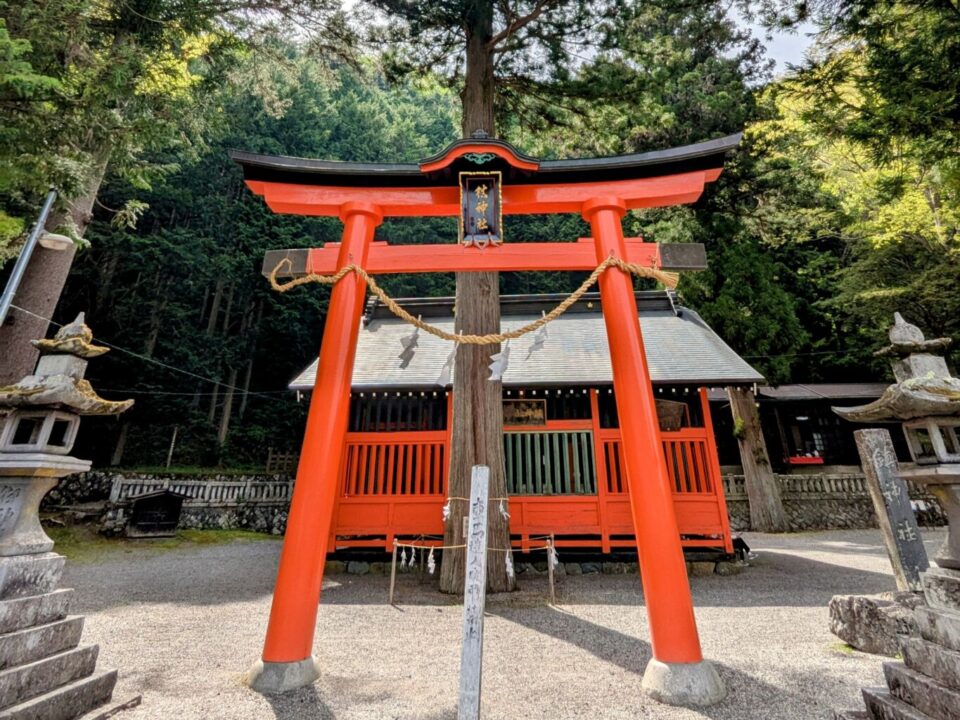
Near the southern end of town, Shizume Shrine is positioned at the approach to Torii Pass. This pass rises to 1,197 meters, making it the highest and most demanding crossing on the Kiso Valley Nakasendo Trail. Travelers paused there either to give thanks for surviving the pass or to pray before attempting it. From here, you can see the path rising toward the pass, where sections of original cobblestone still remain from Edo-period construction.

 Page Top